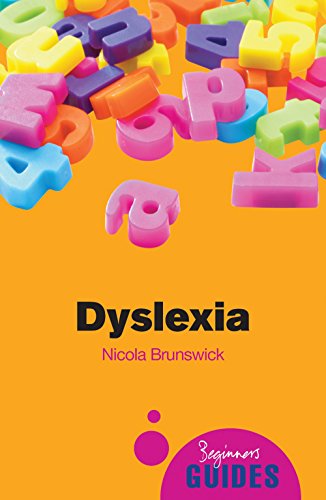
Around 5 to 15 per cent of speakers of alphabetic languages (for example English, French and Spanish) are dyslexic; around 4 per cent severely so. But what is dyslexia? Are there different types of dyslexia? What resources are available to help dyslexic children and adults? This title answers these, and other, questions informed by research. Winston Churchill, Andy Warhol, Walt Disney, Tom Cruise, Agatha Christie, Pablo Picasso. All famous and successful in their chosen professions. All dyslexic. Around 5 to 15% of speakers of alphabetic languages (e.g. English, French and Spanish) are dyslexic; around 4% severely so. But what is dyslexia? Are there different types of dyslexia? Is it more likely to occur in boys than in girls? Is there a cure? What resources are available to help dyslexic children and adults? Nicola Brunswick answers these, and other, questions informed by current thinking and cutting-edge research. Includes chapters on the causes and symptoms of dyslexia, the importance of sound and vision to reading, the incidence and manifestation of dyslexia across alphabetic and non-alphabetic languages, and lists of dedicated dyslexia resources – support associations, websites, and assistive technology.
 Beginner's Guides: Dyslexia
| 5 star | 0% | |
| 4 star | 0% | |
| 3 star | 0% | |
| 2 star | 0% | |
| 1 star | 0% |
Sorry, no reviews match your current selections