Legenda Bookstore
HOME
ACCOUNT
GIFT CARDS
WISHLIST
SHOP

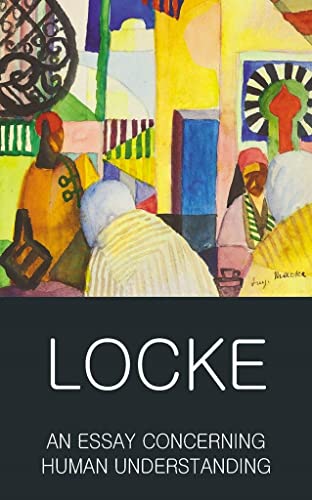
Wordsworth Classics of World Literature: An Essay Concerning Human Understanding: Second Treatise of Goverment

By John Locke, Tom Griffith, Mark G. Spencer

4.00 JOD

[cool_tag_cloud taxonomy="product_tag" smallest="16" largest="16" on_single_display="local"]
Add to Wishlist
Add to Wishlist
ISBN: 9781840227321
Publisher: Wordsworth Editions Ltd
Binding: Paperback
Number of Pages: 880
Publication Date: 15-Jun-14
Share on

An Essay Concerning Human Understanding by John Locke concerns the foundation of human knowledge and understanding, and is one of the classic philosophical works of the seventeenth century. Notes and Introduction by Mark G. Spencer, Brock University, Ontario John Locke (1632-1704) was perhaps the most influential English writer of his time. His Essay concerning Human Understanding (1690) and Two Treatises of Government (1690) weighed heavily on the history of ideas in the eighteenth century, and Lockes works are often rightly presented as foundations of the Age of Enlightenment. Both the Essay and the Second Treatise (by far the more influential of the Two Treatises) were widely read by Lockes contemporaries and near contemporaries. His eighteenth-century readers included philosophers, historians and political theorists, but also community and political leaders, engaged laypersons, and others eager to participate in the expanding print culture of the era. His epistemological message that the mind at birth was a blank slate, waiting to be filled, complemented his political message that human beings were free and equal and had the right to create and direct the governments under which they lived. Today, Locke continues to be an accessible author. He provides food for thought to university professors and their students, but has no less to offer the general reader who is eager to enjoy the classics of world literature.

Tab Content

This is a basic text element.

About Author

Description

An Essay Concerning Human Understanding by John Locke concerns the foundation of human knowledge and understanding, and is one of the classic philosophical works of the seventeenth century. Notes and Introduction by Mark G. Spencer, Brock University, Ontario John Locke (1632-1704) was perhaps the most influential English writer of his time. His Essay concerning Human Understanding (1690) and Two Treatises of Government (1690) weighed heavily on the history of ideas in the eighteenth century, and Lockes works are often rightly presented as foundations of the Age of Enlightenment. Both the Essay and the Second Treatise (by far the more influential of the Two Treatises) were widely read by Lockes contemporaries and near contemporaries. His eighteenth-century readers included philosophers, historians and political theorists, but also community and political leaders, engaged laypersons, and others eager to participate in the expanding print culture of the era. His epistemological message that the mind at birth was a blank slate, waiting to be filled, complemented his political message that human beings were free and equal and had the right to create and direct the governments under which they lived. Today, Locke continues to be an accessible author. He provides food for thought to university professors and their students, but has no less to offer the general reader who is eager to enjoy the classics of world literature.

Tab Content

This is a basic text element.
Add a review
Wordsworth Classics of World Literature: An Essay Concerning Human Understanding: Second Treatise of Goverment Wordsworth Classics of World Literature: An Essay Concerning Human Understanding: Second Treatise of Goverment
Rating*
0/5
* Rating is required
Your review
* Review is required
Name
* Name is required
Add photos or video to your review
0.0
Based on 0 reviews
5 star
0%
4 star
0%
3 star
0%
2 star
0%
1 star
0%
0 of 0 reviews

Sorry, no reviews match your current selections

You Might Also Like

©2026 Legenda Bookstore. All Rights Reserved.
Powered by UAE Grid
Accepted payment methods - COD and Visa
0