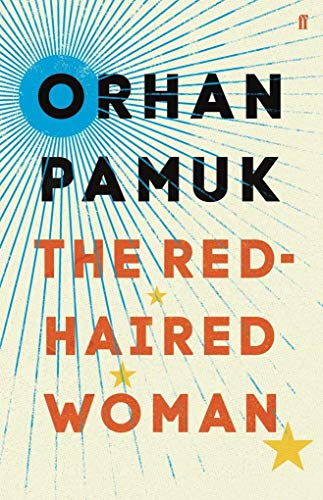
It is mid-1980s Istanbul and Master Mahmut and his apprentice use ancient methods to dig wells – they are desperate to find water in a barren land. This is the tale of their struggle, but it is also a deeper investigation – through stories and images – into themes such as: fathers and sons, the state and individual freedom, reading and seeing. Many years have now gone by, and jealousy compels me to keep her name a secret, even from my readers. But I must provide a full and truthful account of what happened. It is mid-1980s Istanbul and Master Mahmut and his apprentice use ancient methods to dig wells – they are desperate to find water in a barren land. This is the tale of their struggle, but it is also a deeper investigation – through mesmerising stories and images – into Pamuks prevailing themes: fathers and sons, the state and individual freedom, reading and seeing. It is also a richly literary work: The Red-Haired Woman borrows from the tradition of the French conte philosophique and asks probing questions of ethics and of the role of art in our lives. It is both a short, realist text investigating a murder which took place thirty years ago near Istanbul – and a fictional inquiry into the literary foundations of civilizations, comparing two fundamental myths of the West and the East respectively: Sophocless Oedipus Rex (a story of patricide) and Ferdowsis tale of Rostam and Sohrab (a story of filicide). The Red-Haired Woman is a masterful and mesmerising work which further confirms Orhan Pamuk as one of our greatest novelists.
 The Red-Haired Woman
| 5 star | 0% | |
| 4 star | 0% | |
| 3 star | 0% | |
| 2 star | 0% | |
| 1 star | 0% |
Sorry, no reviews match your current selections